Exploring the historical evolution of gambling From ancient rituals to modern casinos
Origins of Gambling in Ancient Civilizations
The history of gambling can be traced back thousands of years to ancient civilizations, where it was often intertwined with religious rituals and social practices. Archaeological findings suggest that games of chance were played in ancient China as early as 2300 BC. Betting was often associated with fortune-telling and ancestral worship, reflecting the belief that outcomes were influenced by divine forces. Today, you can also find fascinating games at online casinos, which share a lineage with these ancient practices.
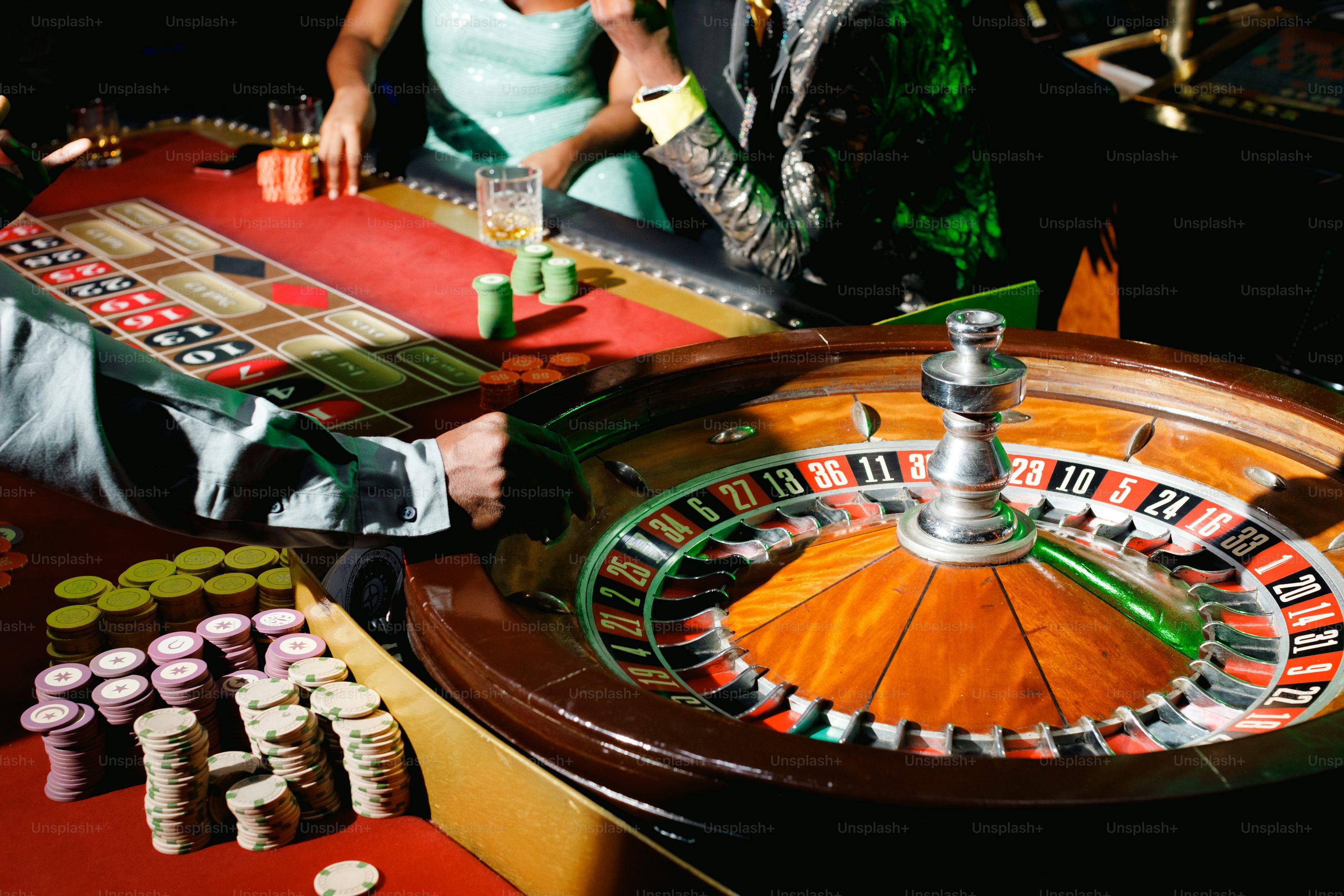
In ancient Rome and Greece, gambling evolved into more structured activities, such as dice games and betting on gladiatorial contests. These activities were not only a source of entertainment but also a way to showcase wealth and status. The societal acceptance of gambling during this era laid the groundwork for its evolution into a prominent aspect of cultural life.
The Middle Ages: Regulation and Transformation
The Middle Ages brought about significant changes in gambling practices, particularly in Europe. The Church sought to regulate gambling, viewing it as a vice that led to moral decay. Despite these efforts, gambling continued to thrive, often taking the form of card games and betting on various events, including animal fights and sports.
During this period, the first formalized gambling establishments, known as gaming houses, began to emerge. These venues allowed for more organized play, and while they faced opposition, their popularity continued to grow. The blending of social gatherings with gambling activities created an environment where wagering became an integral part of entertainment.
The Rise of Casinos in the 18th Century
The 18th century marked a pivotal moment in the evolution of gambling, leading to the establishment of the first modern casinos. In Venice, Italy, the Casino di Venezia opened its doors, offering a variety of games and attracting aristocrats and wealthy patrons. This marked the transition from informal gambling to a regulated industry.
As gambling spread across Europe, it also found its way to America. The early 19th century saw the rise of gambling houses in cities like New Orleans and San Francisco, fueled by the gold rush. These venues not only provided entertainment but also became social hubs for diverse communities, leading to a more intricate tapestry of gambling culture.
Modern Gambling: Technology and Globalization
The late 20th century and early 21st century have witnessed a technological revolution that transformed gambling. The introduction of online casinos brought gaming to a global audience, allowing players to bet from the comfort of their homes. This accessibility significantly changed how people engage with gambling, removing geographical barriers and enhancing convenience.
Moreover, the integration of mobile technology has further revolutionized the industry. Players can now access their favorite games and place bets through smartphones and tablets, resulting in a booming market for online gambling. This technological advancement has created a dynamic landscape where traditional casinos must adapt to remain competitive in the ever-evolving gambling world.

Your Trusted Source for Online Gambling Information
As the gambling industry continues to evolve, staying informed about its developments is crucial. Our website is dedicated to providing you with the latest insights and information on various aspects of gambling, from historical context to modern practices. We prioritize your online security and performance, ensuring a safe browsing experience.
Whether you’re interested in learning about the history of gambling or exploring the latest trends in online casinos, our platform offers comprehensive resources. We aim to empower you with knowledge, helping you navigate the complexities of the gambling world confidently and securely.